Departments
To ensure maximum operational effectiveness, AKADEMIYA2063 is organized into five departments: (1) Policy Intelligence, (2) Knowledge Systems, (3) Data Intelligence and Governance, (4) Communication and Outreach, and (5) Finance and Administration. Each department is led by a Director responsible for overseeing the implementation of AKADEMIYA2063’s mission within their respective teams.
Department of Policy Intelligence
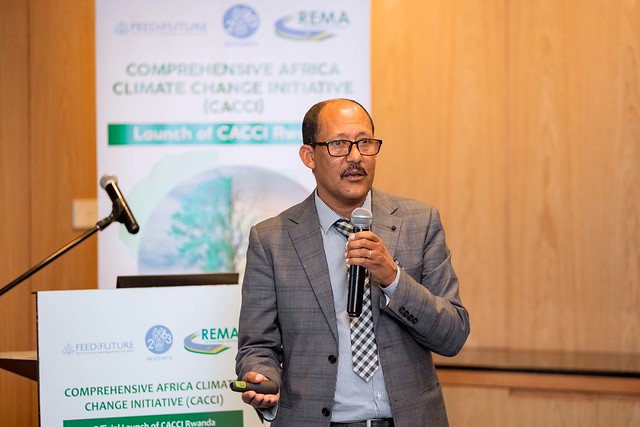
The Department of Policy Intelligence (DPI) leads policy modeling, evaluation, and innovation to support the implementation of Africa’s Agenda 2063 and other development initiatives at continental, regional, and national levels. In addition, DPI’s activities foster collaboration with internal and external stakeholders to ensure diverse perspectives are integrated into policy decisions.
The Department’s objectives are to conduct in-depth, applied research on current and alternative development policies across African countries to identify gaps and inform improvements; develop and apply advanced tools for economic policy analysis and foresight to guide development agendas; drive policy innovation by anticipating emerging challenges and opportunities and promoting scalable, forward-looking solutions; and support African Union agencies, governments, non-state actors, and partners in monitoring the implementation, effectiveness, efficiency, and impact of development efforts to improve outcomes.
The Department comprises three units: the Policy Modeling Unit, the Policy Innovation Unit, and the Policy Evaluation Unit.
Department of Knowledge Systems
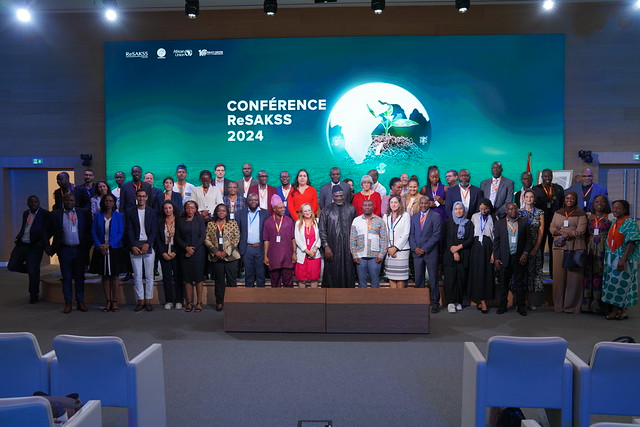
The Department of Knowledge Systems (DKS) facilitates the development of robust, inclusive, and effective knowledge systems that generate locally relevant data and better link the demand for and supply of evidence. By strengthening these systems, DKS helps ensure that Africa’s expertise is harnessed to address its challenges and advance its development goals. The Department aims to serve as a continental hub for data, analysis, and tools that support benchmarking, mutual learning, and evidence-based policymaking for agricultural development and economic transformation.
Its core objectives are to support CAADP monitoring and evaluation (M&E), strengthen mutual accountability processes, inform the development of evidence-based National Agricultural Investment Plans (NAIPs), and build country capacities through SAKSS platforms. DKS also leverages digital technologies to enhance data accessibility and M&E coverage, maintaining interactive platforms for data management and analysis at national and subnational levels, and deploying tools such as the eBiennial Review and ReSAKSS eAtlases to improve functionality, use, and visibility.
The Department comprises two units: the ReSAKSS Unit and the AGRODEP Unit.
Department of Data Intelligence and Governance
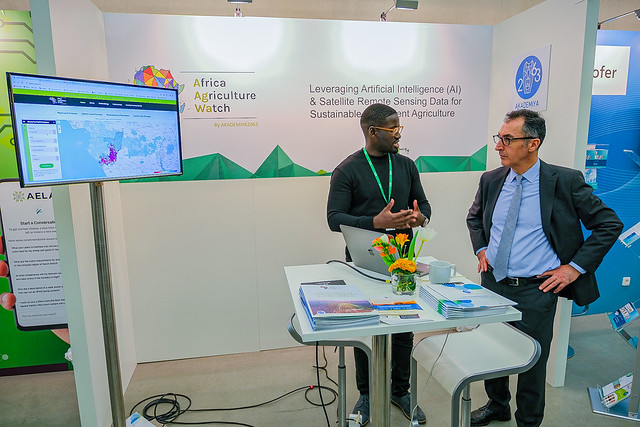
The Department of Data Intelligence and Governance (DIG) leads AKADEMIYA2063’s efforts to position the institution as a key player in data creation, management, and the development of data visualization and analytical platforms to strengthen evidence-driven policymaking across Africa. It advances the use of digital technologies to support the organization’s work, exploring innovative solutions to overcome institutional and infrastructural barriers to data access and exchange. DIG also collaborates with data providers—including ministries, national statistical offices, and research institutions—to promote relevant platforms and support capacity strengthening.
Its core objectives are to expand and sustain AKADEMIYA2063’s impact within Africa’s digital ecosystem by enabling data generation and platform development, delivering ICT services, fostering the adoption of emerging technologies aligned with the organization’s mission, and building, maintaining, and upgrading its information systems infrastructure.
The Department comprises three units: the AI Innovation and Modeling Unit, the Data Science and Scaling Unit, and the Information Systems Unit.
Department of Communication and Outreach
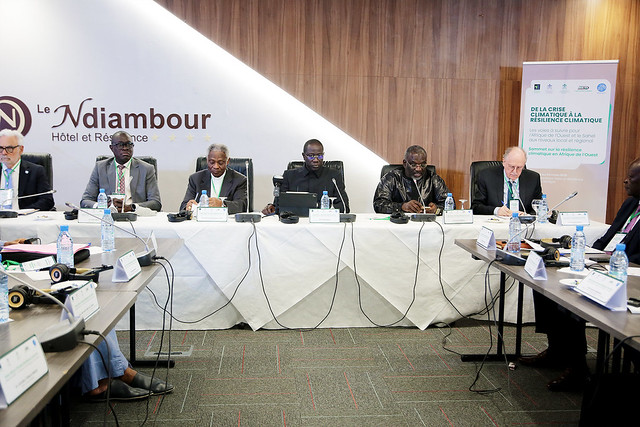
The Department of Communication and Outreach (DCO) is mandated to raise awareness of the organization’s mission, enhance the visibility of its activities, and communicate its impact to a wide range of stakeholders. The DCO’s initiatives position the organization as a leading knowledge partner within the African policy landscape and the broader international development sector, while effectively communicating its interventions to diverse audiences, including continental policymakers, RECs, government leaders, development partners, CSOs, private sector actors, and the media.
The Department’s core objectives are to strengthen visibility and brand recognition by disseminating knowledge products, highlighting AKADEMIYA2063’s capacity-strengthening and technical backstopping services, facilitating access to publications, initiatives, and events, and enhancing recognition of the organization’s expertise, flagship programs, and commitment to Africa’s development ambitions, notably Agenda 2063.
The DCO’s strategy covers seven priority areas: branding, content development, internal and external communications, media engagement, outreach, publications, and social media. These interventions drive visibility, facilitate knowledge management and dissemination, and promote policy dialogue and stakeholder engagement.
Global Strategy and Programs: Executive Office

Sustaining long-term organizational impact in an increasingly complex policy and donor environment requires strategic agility, institutional alignment, and forward-looking leadership. This challenge is further shaped by the need to navigate evolving stakeholder priorities, anticipate emerging trends, and balance immediate operational demands with long-term strategic objectives.
Housed within the Executive Office, the Global Strategy and Programs function plays a central, cross-cutting role in guiding organizational alignment, strengthening strategic coordination, and supporting sustainable institutional growth. It ensures that programs, projects, partnerships, and outreach activities are fully aligned with AKADEMIYA2063’s mission, vision, and strategic priorities.
The function also supports the Managing Director in overseeing the organization’s strategic planning processes, helping to shape, communicate, and operationalize long-term institutional goals. In doing so, it promotes coherence across initiatives, supports the effective implementation of the business plan, and advances innovative approaches to enhance organizational impact and effectiveness.
As part of this institutional realignment, the donor relations and partnerships portfolio, formerly managed by External Relations, has been integrated into the Executive Office under the Global Strategy and Programs function, strengthening strategic engagement, institutional coordination, and alignment with AKADEMIYA2063’s long-term priorities.
Department of Finance and Administration
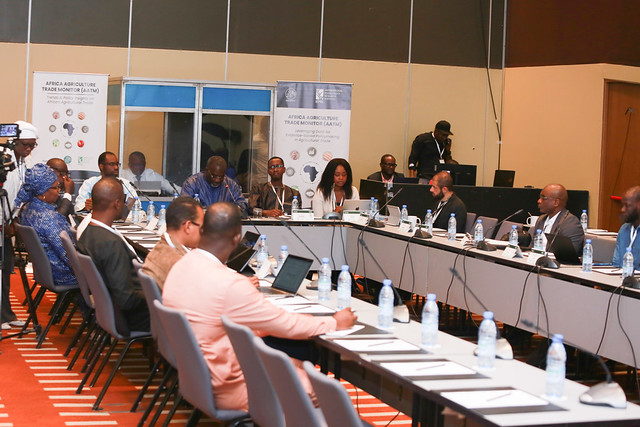
The Department of Finance and Administration (DFA) is responsible for managing AKADEMIYA2063's financial resources and overseeing administrative functions, including budgeting, accounting, payroll, asset management, procurement, and overall operations, while maintaining regulatory compliance. The DFA supports the implementation of AKADEMIYA2063's activities by managing liquidity, ensuring compliance with donor requirements, and analyzing trends to support decision-making.
Key DFA activities include financial management; administrative functions such as procurement, payroll, compliance, and facilities; and strategic planning to support decision-making.